Analysis of BOPP Double Stretching
author: Eva
2026-10-30
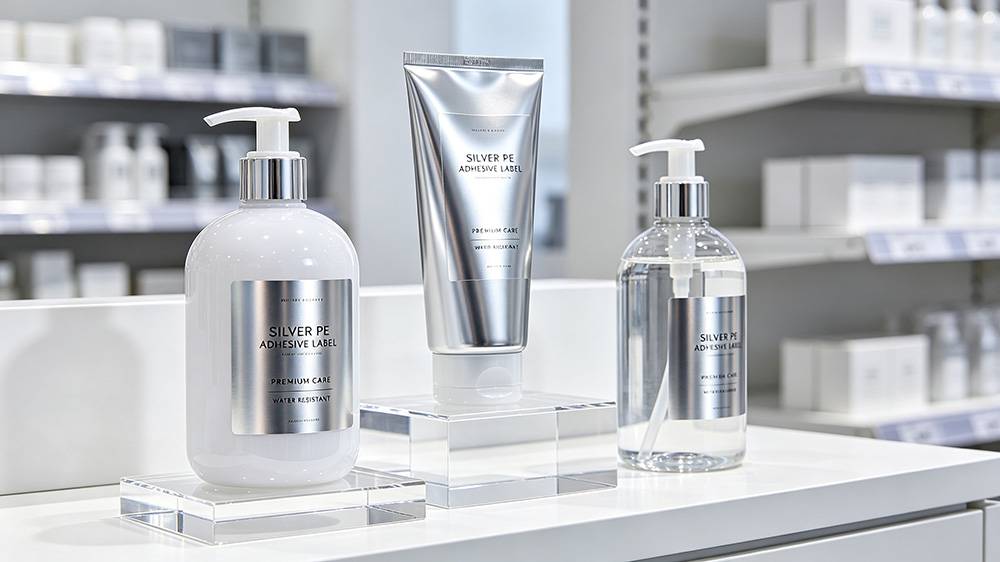
After being affixed, ordinary BOPP self-adhesive labels often experience edge lifting and warping. This is a common and troublesome issue that label purchasers and production line personnel frequently encounter.
Especially in the case of hot melt adhesive labeling, the small molecular components in the hot melt adhesive tend to penetrate into the BOPP base material, causing the film to warp towards the printed surface.
Once edge lifting occurs, it not only affects the appearance but may also cause the label to fall off during logistics or use, resulting in information loss, scanning failure, and even triggering customer complaints and returns.
I. What is BOPP double stretching label?
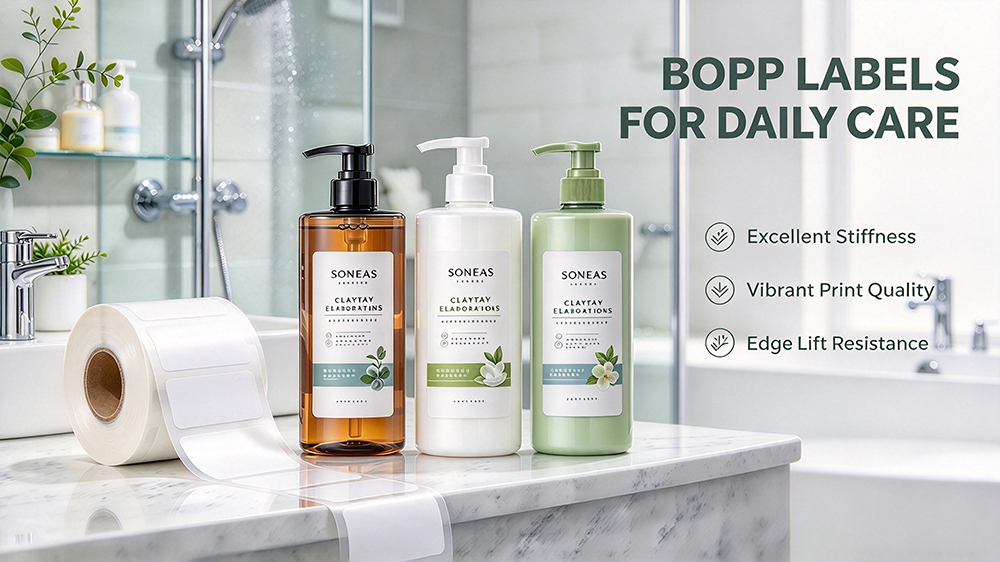
BOPP refers to biaxially stretched polypropylene film. It is a type of film formed by extruding polypropylene particles into a sheet and then undergoing stretching in both the longitudinal and transverse directions. This biaxial stretching process endows BOPP with far superior dimensional stability, rigidity, and anti-warping ability compared to ordinary PP.
BOPP vs Ordinary PP: A Comparison of Core Differences
| Comparative item | BOPP double extrusion label | Ordinary PP Label |
| Molecular structure | Bidirectional orientation in both longitudinal and transverse directions, two-dimensional ordered structure | Random arrangement of molecules |
| Tensile strength and dimensional stability | High, does not easily warp after labeling | Lower, soft and prone to deformation |
| Resistance to warping | Excellent, bidirectional stretching eliminates internal stress | Generally, it tends to curl when heated or when it becomes adhesive and slippery |
| Tensile strength | 130–300 MPa | Significantly lower than BOPP |
| Adhesive compatibility | Combined with the barrier layer, it can effectively prevent swelling and warping. | The small molecules of hot melt adhesive are easily permeable, which causes warping |
| Cost positioning | Economical film label base material | Low cost, but with limited functions |
In the two-way stretching process of BOPP, the heat setting stage maintains the temperature at 120–150℃, with the aim of eliminating internal stress in the film and enhancing dimensional stability. This is precisely the fundamental reason why BOPP does not warp after labeling.
II. Case Analysis
Case 1: Refrigerated Product Label Removal Rectification Project
Challenge: A certain enterprise originally used ordinary water-based transparent BOPP self-adhesive labels for product outer boxes and packaging labels. After being stored in a -20℃ cold storage for a period of time, a large number of labels fell off and the adhesive layer became hard and ineffective, resulting in loss of product identification and increased risk of customer complaints.
Solution: Instiker customized frozen adhesive transparent double-extrusion BOPP self-adhesive labels, combined with a low-temperature-resistant graflex backing paper
Result: After multiple tests with hot and cold cycles, the label showed no detachment or residue of adhesive.
Case 2: Project for Improving the Accuracy of Multi-color Overprinting Labels for Liquor
Challenge: A label printing factory previously used large rolls of BOPP to produce multi-color transparent overprinted labels. Different batches of films had inconsistent shrinkage, and the overprinting deviation was sometimes large and sometimes small. The quality of high-end labels was low, failing to meet the quality inspection standards of overseas customers.
Solution: Instiker provided customers with fully matured 50μm transparent double-stretched BOPP self-adhesive material.
Result: The label registration error was stably controlled within ±0.15mm, significantly improving the yield rate and successfully passing the overseas customer's inspection.
III. Frequently Asked Questions
Q1: What are the differences between BOPP and ordinary PP? Why doesn't BOPP warp?
A: The molecules of ordinary PP are disordered and have residual internal stress. When heated or subjected to adhesion, they are prone to warping. BOPP, after being stretched in both directions and subjected to heat setting, has molecules arranged in a directional manner and the internal stress is eliminated. Its dimensional stability is significantly improved, and it is less likely to deform or warp after labeling.
A: The molecules of ordinary PP are disordered and have residual internal stress. When heated or subjected to adhesion, they are prone to warping. BOPP, after being stretched in both directions and subjected to heat setting, has molecules arranged in a directional manner and the internal stress is eliminated. Its dimensional stability is significantly improved, and it is less likely to deform or warp after labeling.
Q2: Why did my BOPP label still warp after being applied?
A: There could be two possible reasons: One is that an ordinary BOPP base material without a barrier layer was used in combination with hot melt adhesive. The small molecules in the adhesive can still penetrate, causing swelling and warping. The other is that the surface of the labeling had oil stains, dust, or was too rough, preventing the adhesive from fully wetting. It is recommended to use BOPP models with an aluminum coating or anti-migration coating, and ensure that the labeling surface is clean and dry.
Q3: Can BOPP labels withstand high temperatures?
A: The long-term use temperature of BOPP is generally in the range of 90–120℃, with a melting point of approximately 170℃. It is suitable for regular labeling scenarios such as cosmetics, food, and beverages, but not for high-temperature processes such as PCB reflow soldering or laser printing and fixing. For high-temperature scenarios, PET or PI labels should be selected.
Q4: Can rough surfaces use BOPP?
A: Yes, but be careful with the selection. BOPP has a relatively high stiffness and its "wetting" ability on rough surfaces is not as good as that of soft PP. It is recommended to pair it with high-gloss hot melt adhesive or a strong adhesive layer, and appropriately increase the labeling pressure. For extremely rough surfaces (such as tires, woven bags), a BOPP base material specifically designed for rough surfaces should be selected, along with a high coating amount of the adhesive layer.
Q5: How to choose between BOPP and PET labels?
A: Consider temperature and cost. For normal to medium-temperature labeling (cosmetics, food, beverages), seeking stiffness and printing quality, and cost sensitivity, BOPP is the choice. For high-temperature processes (electronics, PCB), requiring extremely high dimensional stability or resistance to chemical corrosion, PET should be selected. BOPP has better economic performance, while PET has a higher temperature limit.
IV. Conclusion and Suggestions
The quality of double-stretched BOPP self-adhesive film is not solely determined by the film base material itself. The coating formula, curing process, tension control during cutting, and matching of the base paper all directly affect the printing, labeling, and weather resistance performance.
Instiker relies on its full-chain production capacity and not only provides standardized rolls of materials, but also offers integrated services such as material selection, process guidance, and customized sample production for label factories and end-brand customers, adapting to the diverse label requirements in both domestic and overseas markets.
When label manufacturers select materials, they should comprehensively evaluate factors such as printing methods, the substrate to be labeled, and storage and transportation environments, and conduct early sample testing to reduce production failures and customer complaints later.
Comprehensive Analysis of PET Self-adhesive Labels
Related Article
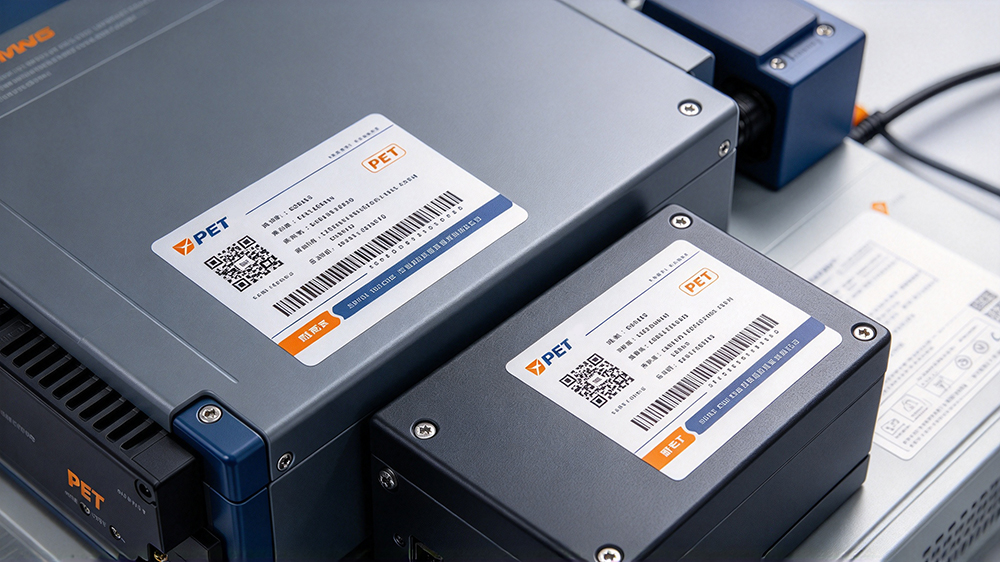
Las etiquetas PET resisten el arrugamiento, la deformación, la pérdida de tinta, el cambio de tamaño y el manchado por tinta durante la producción a alta temperatura y la impresión digital con láser.
Comprehensive Analysis of PET Self-adhesive Labels
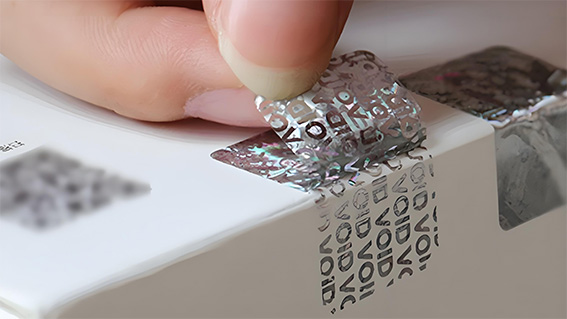
VOID anti-counterfeiting label rely on a physically destructive structure that leaves marks upon peeling, delivering tamper-proof protection at low cost.
Analysis of the VOID anti-counterfeiting label