
what exactly is the function of this adhesive printing paper
author: Eva
2025-12-30
Do you really know about the offset printing self adhesive printer paper?
In scenarios such as daily office work, packaging printing, and advertising production, "offset printing self adhesive printer paper" is a frequently encountered concept. Many people may confuse its definition and also care about issues such as usage safety and printing compatibility. However, the new offset printing self adhesive printer paper launched by instiker precisely addresses these concerns.
I. What exactly is offset printing self adhesive printer paper?
Offset printing self adhesive printer paper, in simple terms, is "self-adhesive label material based on offset printing paper". It is a composite material that combines the ink absorption advantage of offset printing paper and the convenient application feature of self-adhesive labels. It is mainly used in identification and label scenarios where quick adhesion is required after printing.
1. Core structure
Base layer: The core material is offset printing paper (mainly made from wood pulp fibers, with a relatively rough surface and strong ink absorption ability), which distinguishes it from plastic self-adhesive materials like PET and PP;
Adhesive layer: Coated on the back of the offset printing paper, it is mostly water-based pressure-sensitive glue or general hot-melt glue, with mild adhesion, suitable for various surface adhesions;
Release layer: The bottommost anti-stick paper, its function is to protect the adhesive layer. When used, it can be easily peeled off, allowing the offset printing paper substrate to smoothly adhere to the target object.
Adhesive layer: Coated on the back of the offset printing paper, it is mostly water-based pressure-sensitive glue or general hot-melt glue, with mild adhesion, suitable for various surface adhesions;
Release layer: The bottommost anti-stick paper, its function is to protect the adhesive layer. When used, it can be easily peeled off, allowing the offset printing paper substrate to smoothly adhere to the target object.
2. Key features
Excellent ink absorption: Suitable for various printing methods such as offset printing, inkjet printing, and laser printing. The printed text and patterns are clear and do not smudge;
Convenient to use: Comes with self-adhesive backing, no need for additional gluing, simply peel and stick;
High cost performance: The cost of the printing paper base is relatively low, and the overall cost during batch production is better than that of plastic self-adhesive labels;
General temperature resistance: The regular temperature resistance is ≤ 60℃. Avoid high-temperature environments; otherwise, the glue layer is prone to soften and fall off.
Convenient to use: Comes with self-adhesive backing, no need for additional gluing, simply peel and stick;
High cost performance: The cost of the printing paper base is relatively low, and the overall cost during batch production is better than that of plastic self-adhesive labels;
General temperature resistance: The regular temperature resistance is ≤ 60℃. Avoid high-temperature environments; otherwise, the glue layer is prone to soften and fall off.
II. Can it be printed on offset printing paper?
Absolutely! Even "supporting multiple printing methods" is one of the core advantages of offset printing paper. The wood pulp fiber base material of offset printing paper has strong ink absorption and moderate surface tension, which can be compatible with mainstream printing/pressing technologies. The self-adhesive paper produced by instiker, including coated self-adhesive paper, writing self-adhesive paper, and synthetic self-adhesive paper, is very friendly to printing effects. However, different printing methods have corresponding precautions.
1. Appropriate printing/pressing method
Offset Printing: This is the "primary" printing method for offset printing paper, suitable for large-scale production. It offers high printing accuracy and excellent color reproduction, making it the mainstream choice for commercial printing.
Inkjet Printing: It has strong adaptability. Both desktop inkjet printers and commercial inkjet machines can use it. It is recommended to choose pigment ink to avoid dye ink.
Laser Printing: It can be used for black-and-white or color printing. It is suitable for medium-volume office documents and label printing. Select a "low-temperature fixing" model to avoid softening the fibers of offset printing paper or damaging the adhesive layer of self-adhesive labels under high temperatures.
Digital Printing: It is suitable for small-batch and personalized printing. It has fast printing speed and high flexibility.
Inkjet Printing: It has strong adaptability. Both desktop inkjet printers and commercial inkjet machines can use it. It is recommended to choose pigment ink to avoid dye ink.
Laser Printing: It can be used for black-and-white or color printing. It is suitable for medium-volume office documents and label printing. Select a "low-temperature fixing" model to avoid softening the fibers of offset printing paper or damaging the adhesive layer of self-adhesive labels under high temperatures.
Digital Printing: It is suitable for small-batch and personalized printing. It has fast printing speed and high flexibility.

2. Printing Instructions
Control paper thickness: The conventional thickness of offset printing paper ranges from 60 to 120 g/㎡. It is necessary to confirm the paper thickness compatibility range of the printer to avoid jamming due to excessive thickness.
Use after drying: After inkjet printing, wait for the ink to completely dry (about 1-3 minutes) to avoid blurring of the text due to friction.
Distinguish whether it is adhesive-coated: If it is a non-adhesive-coated offset printing paper, during printing, select the "label paper" mode and avoid excessive squeezing of the printer roller to prevent the adhesive layer from adhering to the roller.
Use after drying: After inkjet printing, wait for the ink to completely dry (about 1-3 minutes) to avoid blurring of the text due to friction.
Distinguish whether it is adhesive-coated: If it is a non-adhesive-coated offset printing paper, during printing, select the "label paper" mode and avoid excessive squeezing of the printer roller to prevent the adhesive layer from adhering to the roller.
III. Is adhesive tape safe for the skin?
First of all, it should be clear that "adhesive tape" is a broad term, generally referring to "paper with an adhesive layer". The safety of this material to the skin mainly depends on the composition of the adhesive layer, rather than the paper itself.
1. Safety scenario
The majority of civilian adhesive tapes on the market use "water-based pressure-sensitive adhesive" for their adhesive layer. This type of adhesive uses water as the solvent and does not contain harmful volatile substances such as formaldehyde and benzene. It has mild adhesion and causes almost no irritation to normal skin. The contact is completely safe even for a short period of time.
Especially for medical adhesive tapes, food-grade/medical-grade water-based adhesives are used. They have undergone strict safety tests and can be directly in contact with the skin, making them even safer.
Especially for medical adhesive tapes, food-grade/medical-grade water-based adhesives are used. They have undergone strict safety tests and can be directly in contact with the skin, making them even safer.
2. Risk scenarios to be noted
Industrial-grade adhesive tape: Some industrial labels may use solvent-based glue or strong hot melt glue. These glues contain volatile organic solvents. Long-term or direct contact with the skin may cause dryness, itching, and even allergies;
Low-quality adhesive tape: Low-priced stickers produced by small workshops may use recycled glue or inferior additives, and there is a risk of residual harmful substances. Contact with the skin may cause discomfort;
Special groups: Sensitive skin and children's skin are relatively delicate. If adhesive tape is adhered for a long time, redness may occur due to poor ventilation in the local area or slight irritation from the glue layer. It is recommended to avoid prolonged application and remove it promptly after application.
Low-quality adhesive tape: Low-priced stickers produced by small workshops may use recycled glue or inferior additives, and there is a risk of residual harmful substances. Contact with the skin may cause discomfort;
Special groups: Sensitive skin and children's skin are relatively delicate. If adhesive tape is adhered for a long time, redness may occur due to poor ventilation in the local area or slight irritation from the glue layer. It is recommended to avoid prolonged application and remove it promptly after application.
3. Safety Usage Suggestions
When using, choose regular brand adhesive tapes; avoid keeping adhesive tapes on sensitive skin areas for a long time; if itching or redness occurs on the skin after contact with the adhesive tape, immediately wash the affected area with clean water; if necessary, apply moisturizing cream; if the symptoms are severe, seek medical attention promptly.

IV. Summary
Offset self adhesive printer paper, as a composite material that combines "cost-effectiveness and practicality", has become a necessary material for various scenarios due to its excellent printing compatibility, convenient usage method, and affordable cost. Instiker has newly launched copperplate paper, synthetic paper, pearlescent film, etc., which are widely used. When choosing and using it, as long as the adhesive layer and substrate are precisely matched according to the scene, and the storage and usage environment is controlled properly, its performance advantages can be fully exerted. With the upgrading of printing technology and material processes, offset self adhesive printer paper will continue to optimize in terms of environmental friendliness and weather resistance, further expand the application boundaries, and better meet the needs of different users.
Core Understanding of Film Adhesive
Comprehensive Analysis of Laser Stickers
Related Article

Las etiquetas PET resisten el arrugamiento, la deformación, la pérdida de tinta, el cambio de tamaño y el manchado por tinta durante la producción a alta temperatura y la impresión digital con láser.
Comprehensive Analysis of PET Self-adhesive Labels
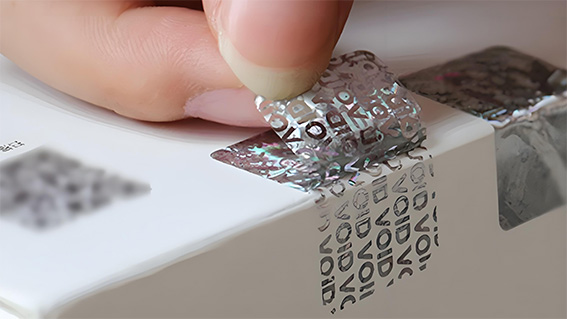
VOID anti-counterfeiting label rely on a physically destructive structure that leaves marks upon peeling, delivering tamper-proof protection at low cost.
Analysis of the VOID anti-counterfeiting label