
Analysis of the Development of Traditional and New Eco-Friendly Self-adhesive Labels
author: Eva
2025-10-29
I. Basic Definition
(1) Traditional self-adhesive materials
Traditional self-adhesive materials are composed of petroleum-derived polymer materials as the core raw material, combined with solvent-based pressure-sensitive adhesives and conventional graffin base paper.
The common base materials include: coated paper, ordinary BOPP, PET, PVC, and ordinary synthetic paper
The adhesive includes solvent-based acrylic adhesives and common permanent petroleum-based pressure-sensitive adhesives
The release base paper includes conventional silicon-coated graffin paper and PE laminated base paper.
Production relies on organic solvent coating, and the products generally do not have degradability. After disposal, the adhesive layer is easily retained, making it a typical high environmental load label material.
(2) New environmentally friendly self-adhesive materials
New self-adhesive materials are a new generation of pressure-sensitive label materials that have been improved based on the four major directions of carbon reduction, low toxicity, easy recycling, and degradability. They cover multiple technical routes:
Environmental adhesive system: water-based acrylic adhesives, solvent-free hot melt adhesives, water-soluble peelable adhesives, low-migration biobased adhesives
Green base materials: recycled paper, FSC primary wood pulp paper, PLA/PHA biobased films, recycled PET, plastic-free coated paper
Low-carbon base materials: recycled silicon-coated base paper, lightweight base paper, self-adhesive without backing paper
Functional environmental protection solutions: invisible removable self-adhesive, industrial compostable self-adhesive.
Core objective: Reduce production exhaust emissions, reduce solid waste pressure, eliminate residual adhesive interference on packaging material recycling, and some categories meet domestic and international compostable environmental certification.

II. Comprehensive Comparison and Selection Suggestions
|
Comparison dimension
|
Traditional self-adhesive labels
|
New type of environmentally friendly self-adhesive labels
|
|
Production of VOC emissions
|
High (solvent-based system)
|
Low / Zero Emission (Water-based, Solvent-free System)
|
|
Abandoned degradation capability
|
Almost non-biodegradable
|
Some models of industrial compost are biodegradable.
|
|
Packaging material recyclability
|
Poor, the residual glue seriously hinders the recycling process.
|
Excellent, washable / removable design
|
|
Total procurement cost
|
Lower
|
High blood pressure
|
|
Weather resistance and chemical resistance properties
|
Overall excellent
|
The mid-to-high-end models are similar to traditional materials, while the degradable models have limited performance.
|
III. Advantages and Limitations
(1) Traditional Self-adhesive Labels
Advantages
Technologically mature, with a well-established supply chain, resulting in lower procurement costs;
Technologically mature, with a well-established supply chain, resulting in lower procurement costs;
Weather-resistant, temperature-resistant, waterproof, and with stable chemical resistance, suitable for outdoor and industrial harsh environments;
Strong printing compatibility, compatible with various inks, foil stamping, and laminating processes;
Rich adhesive options, including permanent and strong adhesion models, with good stability for high-speed automatic labeling.
Limitations
Solvent-based adhesives release a large amount of VOCs, polluting the atmosphere and posing safety hazards in production;
Solvent-based adhesives release a large amount of VOCs, polluting the atmosphere and posing safety hazards in production;
PVC, ordinary PET, BOPP, etc., petroleum-based substrates naturally degrade for hundreds of years, forming microplastics and white pollution;
Permanent adhesives generate a large amount of residue when removed, polluting plastic bottles and cartons, significantly reducing the recycling rate of packaging materials;
The recycling of traditional silicon-coated base paper is difficult, with silicon layers hard to remove, and a large amount of base paper can only be landfilled or incinerated;
PVC incineration at high temperatures releases toxic gases such as hydrogen chloride, and some materials contain restricted substances such as phthalates and heavy metals;
It is difficult to meet the sustainable procurement requirements of European and American brands and the domestic green packaging certification requirements, and there are compliance risks for exports.
(2) New Eco-friendly Self-adhesive Labels
Advantages
Mainstream water-based / solvent-free adhesives have almost no VOC emissions, improving the production environment of factories, and reducing the cost of waste gas treatment;
Mainstream water-based / solvent-free adhesives have almost no VOC emissions, improving the production environment of factories, and reducing the cost of waste gas treatment;
Biobased and recycled raw materials reduce the consumption of petroleum resources, significantly reducing the carbon footprint throughout the life cycle;
Water-washable adhesives and non-traceable removable adhesives can be completely peeled off, ensuring the normal recycling of plastics and cartons;
PLA, plant fiber series products pass EN13432 and GB/T38082 industrial composting certifications, achieving harmless degradation under specific conditions;
Low migration formula, without bisphenol A or phthalate esters, suitable for food contact and baby products;
Help brands build a green supply chain, meeting domestic and international environmental regulations and supermarket sustainable procurement standards.
Limitations
The raw materials and coating processes of new eco-friendly self-adhesive labels are generally more expensive than traditional self-adhesive labels, resulting in higher initial procurement costs;
The raw materials and coating processes of new eco-friendly self-adhesive labels are generally more expensive than traditional self-adhesive labels, resulting in higher initial procurement costs;
Some fully degradable materials have weak heat resistance and moisture resistance, not suitable for high-temperature sterilization or long-term outdoor exposure scenarios;
The printing surface energy of biobased materials is unstable, posing higher requirements for printing equipment and ink selection;
The natural degradation effect in household environments is limited, and most degradation products only complete decomposition under industrial compost conditions;
The availability of specific specifications is limited, and the lead time for small-sized, special thickness materials is longer compared to traditional materials.
IV. Genuine case study analysis
Case 1: Upgrade of label materials for cosmetics export customers
Challenge: The original bottle labels of a shampoo brand used traditional BOPP + solvent-based strong adhesive non-drying adhesive. When exported to Europe, the customer requested an environmental improvement; during the recycling of the packaging materials, the residual adhesive adhered to the PET bottles, and the manufacturer refused to accept them.
Solution: Instiker provided a new non-drying adhesive solution using recycled PET materials and water-based washable acrylic glue.
Implementation effect: The glue does not contain solvents. The SGS test shows that the VOC meets the standard, meeting the EU REACH regulations. The brand successfully passed the overseas customer's sustainable procurement review.
Case 2: Differentiated Selection for Industrial Customer Scenarios
Challenge: A hardware manufacturing company wanted to have two types of label requirements simultaneously: long-term outdoor product identification and temporary warehouse entry identification.
Solution: The outdoor durable labels continued to use high-performance traditional PET self-adhesive labels; the warehouse temporary identification labels were replaced with water-based glue, leather-paper, and environmentally friendly self-adhesive labels.
Implementation Effect:It balanced practicality and achieved the company's environmental assessment goals.
V. Frequently Asked Questions Answered
Q1: Are all the new eco-friendly self-adhesive labels capable of degrading naturally in the environment?
A: No. The majority of degradable self-adhesive labels can only be degraded in industrial composting conditions at 55–60℃. Their degradation rate in the natural outdoor environment is extremely slow.
A: No. The majority of degradable self-adhesive labels can only be degraded in industrial composting conditions at 55–60℃. Their degradation rate in the natural outdoor environment is extremely slow.
Q2: Can the existing equipment of the printing factory directly process the new type of eco-friendly self-adhesive labels?
A: Most of the equipment is compatible. The surface energy of the bio-based film is special, and some need to be replaced with compatible inks; the drying parameters for water-based materials need to be slightly adjusted. It is recommended to conduct a small-scale trial printing before formal production.
A: Most of the equipment is compatible. The surface energy of the bio-based film is special, and some need to be replaced with compatible inks; the drying parameters for water-based materials need to be slightly adjusted. It is recommended to conduct a small-scale trial printing before formal production.
Q3: Can the traditional PVC self-adhesive labels still be used?
A: In many regions of China, the use of PVC packaging materials has been continuously restricted. The EU's PPWR regulations are also imposing stricter restrictions on PVC labels.
A: In many regions of China, the use of PVC packaging materials has been continuously restricted. The EU's PPWR regulations are also imposing stricter restrictions on PVC labels.
Q4: How can one quickly determine if a self-adhesive label complies with export environmental protection requirements?
A: You need to obtain the following three pieces of information: SGS hazardous substance testing report, glue type description; if exporting to the EU and claiming degradability, official composting certification from EN13432 must be provided.
A: You need to obtain the following three pieces of information: SGS hazardous substance testing report, glue type description; if exporting to the EU and claiming degradability, official composting certification from EN13432 must be provided.
Q5: What is the major trend for the future development of self-adhesive labels?
A: Three main lines are advancing simultaneously: complete water-basedization of solvent adhesives, transition of materials to recycled/biogenic sources, and optimization of product design around "easy recyclability"
A: Three main lines are advancing simultaneously: complete water-basedization of solvent adhesives, transition of materials to recycled/biogenic sources, and optimization of product design around "easy recyclability"
VI. Conclusion
Traditional self-adhesive labels have driven the rapid development of the label industry for decades, with stable performance and outstanding cost-effectiveness. However, their inherent environmental shortcomings have become difficult to adapt to the current new situation of low-carbon development and global environmental regulatory requirements.
New environmentally friendly self-adhesive labels, although currently constrained by costs and performance boundaries, are the core direction for the industry's sustainable transformation.
There is no absolute superiority or inferiority in material selection; the key lies in balancing the scenarios, compliance requirements, and brand positioning.
Upstream material enterprises such as instiker, which have both traditional materials and environmentally friendly new materials in their portfolios, can provide differentiated and customized solutions for the market.
For label printing factories and end-brand companies, establishing a scientific material selection system and advancing green upgrades in stages, while considering economic benefits and environmental responsibilities, is the path for the long-term development of the self-adhesive label industry.
The Evolution of Self-adhesive Labels
The aesthetic of life within the square label: The daily healing power of self-adhesive stickers
Related Article

Las etiquetas PET resisten el arrugamiento, la deformación, la pérdida de tinta, el cambio de tamaño y el manchado por tinta durante la producción a alta temperatura y la impresión digital con láser.
Comprehensive Analysis of PET Self-adhesive Labels
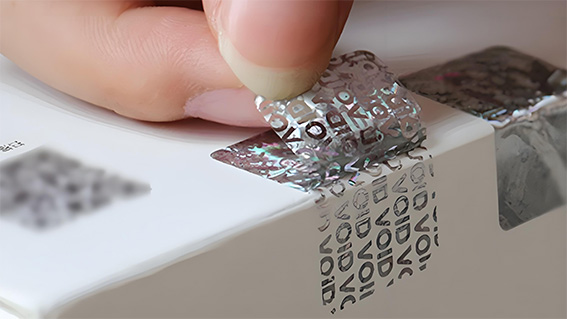
VOID anti-counterfeiting label rely on a physically destructive structure that leaves marks upon peeling, delivering tamper-proof protection at low cost.
Analysis of the VOID anti-counterfeiting label