
The dual mission of precise identification and anti-counterfeiting traceability
author: Eva
2025-09-19
I. Technical Architecture: Evolution from Physical Anti-counterfeiting to Intelligent Sensing
1) Multi-dimensional Anti-counterfeiting Technology System
Molecular-level Marking Technology
Vipshop, through the "Cellular-level Data Interface" technology, implants unique DNA sequences in luxury raw materials as an uncopyable "biological ID card", combined with nano-sensors and optical microscopes to achieve precise collection of microscopic features. This technology enables the traceability of information such as the origin and mining time of raw materials like leather and gemstones, and in combination with blockchain evidence storage, solves the pain point of traditional physical labels being prone to forgery.
Dynamic Display Anti-counterfeiting
The team of Yang Baicu of Sun Yat-sen University developed a fluorescent electrophoretic display (EPD) device, which realizes green fluorescence dynamic display under ultraviolet light through perovskite quantum dot composite technology, with a response time of only 350ms and a contrast ratio of 17:1. This dual-mode display (black and white switching in visible light + green and white switching in ultraviolet light) provides a new paradigm for dynamic anti-counterfeiting for high-end liquor and pharmaceutical packaging, for example, a certain liquor enterprise increased the identification rate of counterfeit goods to 99.7% through this technology.
Structural Anti-counterfeiting Innovation
Zhejiang Supercode Cloud Technology's perforated anti-peeling tape adopts a layered material design (adhesive layer, perforated layer, digital layer), revealing a customized "VOID" symbol and brand LOGO when peeled off, accompanied by irreversible damage traces, and combined with AI image recognition technology to achieve millisecond-level authenticity verification. After application in the alcohol and luxury goods fields, the packaging transfer rate decreased by 82%, and counterfeiting behavior decreased by 65%.
2) Intelligent Monitoring and Data Fusion
Internet of Things + Blockchain Traceability
Shunfeng Technology's "Fengsu" blockchain platform collects agricultural product environmental data in real time through IoT devices, combined with the consensus mechanism of logistics nodes, to achieve irreversible and tampering information storage throughout the chain from farmland to table. After application by a certain fresh produce enterprise, the product traceability time was shortened from 7 days to 7 seconds, and the brand premium capacity was increased by 25%.
RFID and NFC Collaboration
Ant Digital Science created a dynamic encrypted NFC + blockchain anti-counterfeiting system for Nike, through a dynamic domain generator to make the links obtained each time the chip is read disordered and unique, combined with the distributed ledger of blockchain, to achieve full-process tracking of sports shoes from production to sales, reducing the complaint rate of counterfeit goods from 17% to 0.3%.
AI Image Recognition Technology
The perforated anti-peeling tape generates invisible digital feature codes through nano-lithography technology, supporting multi-form millisecond-level recognition, and can automatically identify new counterfeiting methods. After application by a certain cosmetics enterprise, the label non-conformity rate decreased from 0.8% to 0.03%, and post-sale disputes decreased by 40%.

II. Application Scenarios: Precise Quality Control in Key Fields
1) Food and Agricultural Product Traceability
Full-chain Transparency Management
The "Blockchain + Vegetable" project in Weifang, Shandong Province, collects data on planting, processing, and circulation through IoT devices, combined with smart contracts to achieve automatic data chain-up. Consumers can scan the code to view fertilization records, cold chain temperature curves, etc., increasing brand premium capacity by 25% and saving 35% in water, fertilizer, and medicine costs.
Near-Expiration Food Management Innovation
The "teary sticker" of FamilyMart in Japan uses emotional design (label shrinking when cold to display a crying face icon) to increase the purchase rate of near-expiration food by 5%, reducing annual waste by 3000 tons. This dynamic response technology combined with blockchain traceability has achieved dual optimization of consumption experience and resource efficiency.
2) Medical and Pharmaceutical Safety
Full Lifecycle Management of Medical Devices
The EU's new UDI regulation requires that Class I medical devices be identified by a unique code by 5 May 2025, achieving full tracking from production to scrapping. After being applied by a medical equipment company, the recall time of the equipment was shortened from 72 hours to 2 hours, and the rate of counterfeit products decreased by 62%.
Dynamic Monitoring of Pharmaceutical Circulation
The drug traceability code system of the National Medical Insurance Bureau uses the "one drug, one code" technology to monitor the flow of drugs in real time. Starting from July 2025, medical insurance designated institutions selling drugs need to scan the code for settlement, and repeated scanning will automatically trigger an alert, with the recognition rate of returned drugs reaching 99.9%.
3) Luxury Goods and High-End Manufacturing
Combination of DNA Coding and Blockchain
VIP.com implanted DNA molecular markers in luxury raw materials and collected microscopic characteristics through nano sensors, combined with blockchain for evidence storage, to achieve full-chain traceability from raw materials to consumers. This technology reduced the rate of counterfeit luxury goods from 30% to 5%, and increased consumer trust by 40%.
Laser Writing and Micro-Nano Structures
Shanghai Tianchen adopted laser writing technology for the milk powder cans of Yili QQ Star, "engraving" fine textures on the metal surface, combined with positioning holographic graphics, to achieve visual anti-counterfeiting effects such as dynamic aperture and cat's eye. This technology increased product sales by 263% and reduced anti-counterfeiting costs by 30%.
III. Compliance Management: Establishing a Tripartite Risk Prevention and Control System
1) Dynamic Response Mechanism for Regulations
Food Label Standardization
The "Food Label Supervision Measures" implemented in 2025 requires that the font height of production date and shelf life be ≥ 3.0 mm (≥ 2.0 mm for small packages), with a white background and black text contrast design, and a separate area should be set. A dairy product enterprise used the AI visual inspection system to reduce the label non-compliance rate from 0.8% to 0.03%.
Medical Device Label Compliance
The EU MDR regulation requires that medical device labels include UDI codes, sterilization dates, and biocompatibility statements, using fragile paper labels to ensure traceability. A multinational pharmaceutical company reduced the recall cost by 50% through the blockchain traceability system.
2) Supply Chain Collaborative Management
Material Safety and Function Balance
Food packaging labels should use FDA-certified acrylic adhesives (migration rate ≤ 5 μg/dm²), and medical scenarios should use ISO 10993-certified medical UV adhesives. The CleanFlake PET label of Adientson improved the adhesive innovation, increasing the purity of recycling and regeneration by 30%, in line with the EU CSRD directive.
Supplier Full Chain Traceability
A certain automotive parts enterprise required the adhesive supplier to provide a chemical migration test report, and the label manufacturer established a traceability system from the base material to the top material. Through blockchain evidence storage, the counterfeit rate of components was reduced by 62%.
3) Intelligent Audit and Early Warning
AI Visual Inspection System
A dairy product enterprise introduced an AI system to monitor the clarity and size deviation of label printing in real time, with an identification accuracy rate of 99.7%, and annual loss reduction of 2.8 million yuan due to non-compliant products.
Dynamic Risk Prediction Model
Cold Chain Logistics combines temperature and humidity sensors with blockchain to analyze transportation data in real time and issue early warnings of spoilage risks. After application by a cross-border logistics company, the loss rate decreased by 25%, and the abnormal response time was compressed to within 30 seconds.

IV. Future Trends: From Functional Carrier to Trust Infrastructure
1) Technological Integration Innovation
Cellular-level Data Interface
VIP.com's "cellular-level data interface" technology uses DNA encoding and nano-sensors to accurately collect the microscopic characteristics of goods, combined with blockchain evidence storage, to build an unforgeable "biological ID card". This technology will expand to electronic and cosmetic fields in the future, with a projected market size exceeding 5 billion yuan by 2025.
Dynamic Response and Self-Optimization
Fluorescent Electrophoretic Display Devices use dual-mode electric field and ultraviolet light to achieve dynamic switching of black, white, and green colors, with a response time of ≤ 10 seconds. This technology can be applied to pharmaceutical packaging, automatically changing color and curling when the temperature exceeds the limit, enhancing the safety warning effect.
2) Intelligent Sensing and Real-time Interaction
Extension of Metaverse Scenarios
The metasign code technology generates dynamic encrypted labels for goods, allowing consumers to scan and view the blockchain hash value, and view the production environment through VR. After application by a tea brand, the traceability experience was enhanced to an immersive level, with a 30% increase in repeat purchase rate.
5G + Edge Computing
Shangyuan in Shanghai's "code platform" system transmits logistics data in real time through 5G, combined with edge computing to achieve millisecond-level anti-counterfeiting verification. This technology increased the efficiency of food traceability by 55% and reduced logistics costs by 20%.
3) Green Closed-loop System
Biobased Material Application
The rPP film of Adientson (containing 30% recycled polypropylene) reduces its carbon footprint by 25%, and the biodegradable labels are certified by EN 13432, with a degradation rate of over 60%. This material has been widely used in the EU market and is expected to reach a penetration rate of 40% by 2025. Dynamic covalent bond cross-linking technology
Dynamic covalent bond epoxy resins can be repeatedly processed, enabling the recycling of labels and material regeneration during their reuse. After being applied by a packaging enterprise, the label recycling rate increased to 80%, meeting the EU's circular economy goals.
The dual mission of precise identification and anti-counterfeiting traceability is essentially to build a trustworthy business ecosystem through technological innovation and compliance management. From molecular-level DNA encoding to macro-level blockchain evidence storage, from static identification to dynamic response, technology is driving labels to evolve from functional carriers to trust infrastructure. Enterprises need to establish a "technology - scenario - compliance" three-in-one management system. Through continuous breakthroughs in nano-coatings, 3D printing and biobased materials, the identification field will shift towards precision, intelligence and sustainability. In the future, each commodity will have a unique "digital ID", and each data chain will become a brand's trust endorsement. Ultimately, the trust reconstruction from "code" to "chain" will be achieved, injecting new trust momentum into the global business ecosystem.
Functional labels safeguard quality and safety
Analysis of Label Materials Performance in Extreme Environments and Selection Scheme
Related Article

Las etiquetas PET resisten el arrugamiento, la deformación, la pérdida de tinta, el cambio de tamaño y el manchado por tinta durante la producción a alta temperatura y la impresión digital con láser.
Comprehensive Analysis of PET Self-adhesive Labels
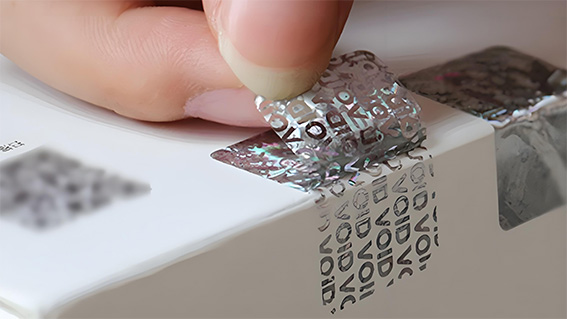
VOID anti-counterfeiting label rely on a physically destructive structure that leaves marks upon peeling, delivering tamper-proof protection at low cost.
Analysis of the VOID anti-counterfeiting label