
Introduction to Thermal Transfer Paper
author: Eva
2026-01-23
Choosing the wrong printing material can lead to consequences far beyond just disappointing printing quality. It may result in damaged labels during transportation, increased replacement costs, customer complaints, and other issues.
In scenarios such as personalized customization, label printing, and handmade production, thermal transfer paper has gradually become a popular material.
At Instiker, we regularly develop customized labels, flexible packaging and printing materials for clients in industries such as cosmetics, food and beverages, medicine, logistics and consumer goods.
I. What is thermal transfer paper?
Thermal transfer paper utilizes the transference principle of high temperature and pressure to precisely fix patterns and text on various substrates such as fabrics, metals, ceramics, and plastics. It caters to both large-scale industrial production and niche personalized customization requirements.
II. The differences between thermal transfer paper and thermal paper
|
Materials
|
||
|
Core Strengths
|
No plate threshold, compatible with various materials, applicable to both light and dark fabrics, simple operation, strong weather resistance
|
No carbon paper required, fast printing speed, extremely low cost
|
|
Weakness
|
Requires the use of carbon paper
|
Not resistant to high temperatures, prone to oxidation and discoloration, sensitive to friction, and short in lifespan
|
|
Applicable scenario
|
Small-batch customization, industrial labels, multi-material cultural products
|
Short-term logistics labels, supermarket receipts, temporary signs
|
|
Cost
|
Low
|
Extremely low
|
|
Durability
|
Water-resistant, resistant to high and low temperatures, and oil-proof
|
Short-term use
|

III. Real Case Analysis of Thermal Transfer Paper
Case One: Small-scale Customized Clothing Stores
Challenge
A fresh food cold chain storage enterprise previously encountered frequent problems with blackening, blurriness and detachment of the thermal paper sorting labels and the labels for tracking the origin of the goods.
Solution
Changed to thermal transfer paper + resin carbon tape
Result
The frequency of label replacements has decreased by 90%, the error rate of warehouse sorting has approached zero, and the core problem of label failure in extreme environments has been completely resolved.
Case two: The cultural and creative studio has a narrow range of products and weak competitiveness.
Challenge
Single product category and weak competitiveness
Solution
After introducing universal thermal transfer paper, we have expanded our custom production services for various materials such as ceramics, wood, metal and acrylic. We can now create custom products like customized water bottles, wooden ornaments, metal commemorative plaques, and home decoration paintings.
Result
The variety of products in the studio has significantly increased.
IV. The Challenges and Solutions of Thermal PaperThe Challenges and Solutions of Thermal Tranfer Paper
|
Challenges
|
Solution
|
|
There are numerous categories, and it's difficult to precisely match them to the scenarios.There are numerous categories, and it's difficult to precisely match them to the scenarios.
|
Establish a three-dimensional selection standard of "substrate + equipment + usage scenario"Establish a three-dimensional selection standard of "substrate + equipment + usage scenario"
|
|
The low-cost material trapThe low-cost material trap
|
Abandon the simplistic comparison mindset and focus on the core quality parametersAbandon the simplistic comparison mindset and focus on the core quality parameters
|
|
Ambiguous operational thresholdAmbiguous operational threshold
|
Standardized parameters implementation + Process standardization
|
|
Insufficient durability in specific environmentsInsufficient durability in specific environments
|
Scene-based customized consumables matching
|
V. Frequently Asked Questions Answered
Q: What are the differences between thermal transfer self-adhesive labels and thermal self-adhesive labels?
A: The core principles, durability and application scenarios of the two are completely different.
A: The core principles, durability and application scenarios of the two are completely different.
Q: Why is the printing of my thermal transfer label blurry and with white spots?
A: Firstly, the carbon tape does not match the paper. Secondly, the printing temperature and speed settings are incorrect. Thirdly, the coating on the label paper is uneven.
Q: Why do the thermal transfer adhesive labels tend to peel off or lose their markings when stuck on?
A: Incorrect selection of glue, presence of dust, oil stains, water marks on the substrate surface, or poor storage conditions. The label was exposed to prolonged sunlight and moisture before being used, causing the glue to prematurely deteriorate.
A: Incorrect selection of glue, presence of dust, oil stains, water marks on the substrate surface, or poor storage conditions. The label was exposed to prolonged sunlight and moisture before being used, causing the glue to prematurely deteriorate.
Q: Is the thermal transfer self-adhesive label waterproof, oil-resistant, and washable?
A: Thermal transfer paper is not water-resistant or oil-resistant and cannot be washed with water.
A: Thermal transfer paper is not water-resistant or oil-resistant and cannot be washed with water.
Q: Why is it that the same type of thermal transfer paper works well for others but gives poor results when I use it?
A: Firstly, the carbon tape does not match; secondly, the printing speed is too fast and the ink concentration is too low, preventing the ink layer from fully penetrating and solidifying; thirdly, the print head is clogged with dust and worn out, resulting in broken needles and blank areas in the print.
A: Firstly, the carbon tape does not match; secondly, the printing speed is too fast and the ink concentration is too low, preventing the ink layer from fully penetrating and solidifying; thirdly, the print head is clogged with dust and worn out, resulting in broken needles and blank areas in the print.
Q: Can heat transfer self-adhesive labels be stored for a long time? How long is the shelf life?
A: Both the finished labels and the unused consumables have a stable shelf life: High-quality heat transfer self-adhesive label consumables should be stored in a sealed, dark, and dry place. The shelf life is 12 months without printing.
A: Both the finished labels and the unused consumables have a stable shelf life: High-quality heat transfer self-adhesive label consumables should be stored in a sealed, dark, and dry place. The shelf life is 12 months without printing.
VI. Summary and Recommendations
Thermal transfer paper not only overcomes the drawbacks of traditional printing, such as high cost and low flexibility, but also compensates for the shortcoming of poor durability of thermal paper consumables.
For customers, the optimal selection logic is not to choose the most expensive product, but to prioritize scenario matching, take quality stability as the core, and control costs as a secondary consideration.
Clearly define one's base material type, usage scenario, and equipment conditions, avoid selection mistakes and low-price traps, and cooperate with standardized practical procedures. This way, the advantages of heat transfer printing technology can be maximally exploited, achieving cost reduction and efficiency improvement, quality upgrade, and meeting the dual needs of personalized customization and industrial production.
The editing team of Instiker collaborates with experienced packaging engineers and printing experts to produce practical and fact-based content for the packaging industry.
Drawing on real manufacturing and printing projects, our articles provide reliable guidance on material selection, packaging design, and printing technologies, helping brands and purchasers make informed and confident decisions.
Types, Environmental Impact and Prices of Environmental Label Self-adhesive Labels
Analysis of the Differences between Solvent-Based Adhesives and Water-Based Adhesives
Related Article

Las etiquetas PET resisten el arrugamiento, la deformación, la pérdida de tinta, el cambio de tamaño y el manchado por tinta durante la producción a alta temperatura y la impresión digital con láser.
Comprehensive Analysis of PET Self-adhesive Labels
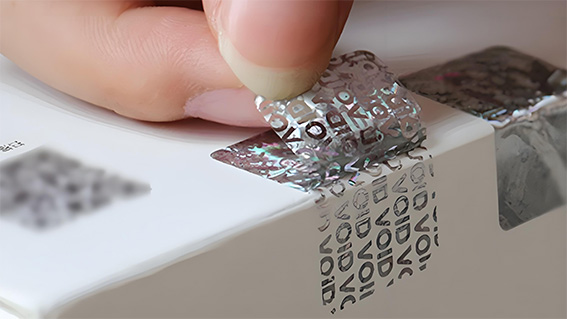
VOID anti-counterfeiting label rely on a physically destructive structure that leaves marks upon peeling, delivering tamper-proof protection at low cost.
Analysis of the VOID anti-counterfeiting label