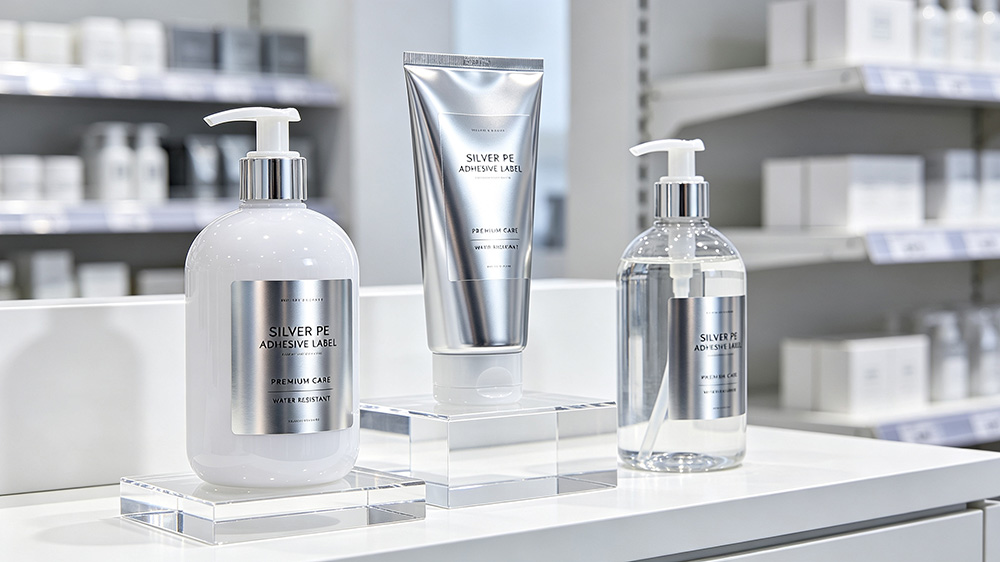
The Evolution of Self-adhesive Labels
author: Eva
2025-10-29
From the wet adhesive labels that required dipping and painting a hundred years ago, to the multi-functional self-adhesive labels that now cover the entire industries of food, cosmetics, electronics, logistics, and medicine
From the simple paper labels, it has evolved into composite functional materials with waterproof, high-temperature resistance, traceability, and degradability properties.
Self-adhesive labels are not just stickers; they are also carriers of product information, visual windows of brands, and digital infrastructure for supply chains.
I. The Evolution History of Self-adhesive Labels
1)Germination stage (before 1930): Era of wet adhesive labels
In modern times, wet adhesive labels are commonly used for product identification. They are made with animal glue or starch glue. Before applying the labels, they must be moistened and coated with glue.
The drawbacks are quite significant: the labeling efficiency is low, the glue is prone to deteriorate and smell bad, it is highly susceptible to temperature and humidity changes and is likely to fall off. It cannot be automated for production and can only be done manually, making it difficult to achieve large-scale popularization.
2)The Technological Birth Period (1935–1970): The prototype of modern self-adhesive labels was introduced.
In 1935, R. Stanton Avery invented the world's first commercial pressure-sensitive self-adhesive material, establishing a three-layer basic structure of backing material + adhesive + release liner, marking the birth of modern self-adhesive labels.
In the early days, the main materials used were rubber-based adhesives, kraft paper, and wax-coated release paper. The adhesiveness was unstable and the weather resistance was poor. The applications were limited to postal labels and simple commodity price tags.
In the 1960s, acrylic pressure-sensitive adhesives made a breakthrough, distinguishing between two major adhesive systems: permanent and removable. Self-adhesive materials officially entered the stage of industrial research and development.
3)Industrialization and Popularization Stage (1970–2000): Diversification of Materials
In Europe, America and Japan, flexographic printing was gradually adopted for compatible self-adhesive film materials; Grafix base paper was widely used to replace wax paper. Copperplate paper and BOPP films were successively put into mass production.
In the 1990s, China introduced the self-adhesive production line. It shifted from relying on imported raw materials to conducting local coating and cutting processing.
Self-adhesive labels have begun to be widely used in the packaging of daily necessities and food products, gradually replacing the traditional wet adhesive labels.
4)Functional Iteration Period (2000–2015): Special Tags Boom
The market is no longer satisfied with basic pasting requirements. Functional materials are rapidly emerging: PET heat-resistant labels, synthetic paper waterproof and tear-resistant labels, thermal-sensitive logistics labels, removable labels, anti-counterfeiting fragile paper, and laser holographic materials have been put into mass production.
Automated labeling machines have become widespread, and roll-based self-adhesive labels have become the mainstream. Variable QR codes and barcode traceability labels have been widely implemented.
5)The stage of intelligence and green transformation (since 2015)
The two main trends in the industry: intelligent identification and environmental upgrading. RFID intelligent self-adhesive labels and one-item-one-code traceability labels are developing rapidly; with the tightening of environmental regulations in various countries, low-VOC water-based adhesives, biobased degradable self-adhesive labels, and uncoated self-adhesive labels have become research hotspots.
Currently, self-adhesive labels are continuously evolving towards extreme environment resistance, low residue, recyclability, and digital printing.
Instiker has been deeply engaged in the research and development of self-adhesive base materials. It closely follows industry trends and continuously updates membrane, paper, and functional self-adhesive raw materials to meet the diversified demands of the domestic market and foreign trade exports.

II. Core Advantages and Limitations of Self-Adhesive Labels
|
Core advantage
|
Limitations
|
|
Easy to use: Can be torn off and pasted immediately, suitable for automatic labeling on production lines, significantly improving production efficiency.
|
Ordinary self-adhesive paper (copperplate paper) is not waterproof and not tear-resistant. It is prone to damage in humid environments.
|
|
Rich materials, flexible customization: It can achieve differentiated functions such as waterproofing, temperature resistance, oil resistance, anti-counterfeiting, and curved surface fitting.
|
Regular glue cannot withstand deep freezing below -18℃ or continuous high temperatures above 120℃. In special scenarios, special adhesives must be used.
|
|
High printing compatibility: Supports flexographic printing, digital printing, thermal transfer printing, laser printing, and inkjet printing.
|
Low-cost hot melt adhesives are prone to run-off and aging in high-temperature environments; inferior materials tend to leave residual glue after being removed.
|
|
Shape freedom: Capable of cutting irregular-shaped labels, and combined with processes such as gold stamping, UV coating, and laminating to enhance the brand's appearance quality.
|
Traditional self-adhesive labels with backing paper generate waste from the release layer, and the pressure for environmental protection is continuously increasing.
|
|
Wide compatibility with substrates: plastic bottles, cardboard boxes, metals, glass, wood products, and electronic product casings can all be adhered to.
|
Extremely small curvature soft curved surface. The hard PET material is prone to rebound,and it needs to be paired with a flexible PE base material.
|
III. For whom are the self-adhesive labels designed?
1. Terminal brand owners
Food factories, consumer goods enterprises, electronics factories, pharmaceutical companies, cross-border e-commerce sellers, chain supermarkets.
Key requirements: attractive and stable labels, compliance with domestic and international environmental protection regulations, no warping or falling off during transportation, support for traceability QR codes.
2. Label printing factories, packaging printing enterprises
Direct purchasers of self-adhesive raw materials, requiring stable roll stock raw materials, diverse material options, support for small batch cutting, rapid prototyping.
Instiker supplies various self-adhesive substrates to printing factories across the country. Minimum order quantity of one roll, free sample support.
3. Foreign trade export enterprises
Products are sold to Southeast Asia and European and American markets. Materials need to meet ROHS and food contact standards, compatible with high and low temperature, humid environments, and avoid the risk of label detachment during overseas shipping.
4. Warehousing, logistics, intelligent manufacturing factories
Large-scale use of variable information labels, requiring compatibility with barcode printers and high-speed labeling equipment, suitable material tensile strength, no paper jamming or label flying during machine operation.
5. Advertising, cultural and creative, anti-counterfeiting solution service providers
Need laser materials, fragile paper, double-layer self-adhesive, removable stickers and other special functional materials.
IV. Comparison of mainstream self-adhesive materials and selection suggestions
|
Material type
|
Core features
|
Advantages
|
Weakness
|
Recommended application scenarios
|
|
Basic cost-effective paper materials
|
High-quality printing with low cost
|
Not waterproof, not tear-resistant, and prone to moisture.
|
Room temperature food, price tags, short-term promotion signs
|
|
|
Paper-like film material
|
Waterproof, tear-resistant, and cold-resistant
|
The price is higher than that of coated paper.
|
Cold chain, beverages, short-term outdoor signs
|
|
|
BOPP transparent film
|
Thin and transparent
|
High transparency, invisible label effect
|
Too hard, use with caution for large curves
|
Cosmetics transparent bottles, sealing labels
|
|
PE film
|
Soft texture
|
Excellent surface fit
|
The upper limit of temperature resistance is relatively low.
|
Hose, small curved bottle body
|
|
PET film
|
High strength and excellent weather resistance
|
High temperature resistant, UV resistant, and chemically corrosion resistant
|
High hardness, and small curved surfaces tend to spring back.
|
Electronic nameplates, outdoor equipment, industrial labels
|
|
No need for carbon paper for printing
|
Easy printing and low cost
|
Not suitable for long-term exposure to sunlight and not resistant to high temperatures.
|
Delivery label, temporary price tag
|
V. Common Questions and Answers about Self-Adhesive Labels
Q1: If the edges of the labels start to lift up apart after being stuck for some time, is it definitely due to poor quality of the glue?
A: Not necessarily. The four main causes of edge lift up apart are: ① The glue does not match the usage environment; ② The surface material is too hard and causes rebound; ③ The surface of the object to be labeled has oil stains or dust; ④ The labeling pressure is insufficient. For curved products, it is recommended to use flexible base materials and clean the surface of the object to be labeled before labeling.
A: Not necessarily. The four main causes of edge lift up apart are: ① The glue does not match the usage environment; ② The surface material is too hard and causes rebound; ③ The surface of the object to be labeled has oil stains or dust; ④ The labeling pressure is insufficient. For curved products, it is recommended to use flexible base materials and clean the surface of the object to be labeled before labeling.
Q2: What are the reasons for the labels to bubble? How to prevent it?
A: Surface moisture, oil stains, too fast labeling speed, insufficient wetting of the glue, and drastic temperature differences can all cause bubbling. Solutions: Keep the labeling environment dry, fully press the labels; in scenarios with large temperature differences, choose high-wetting type glue.
Q3: If the removable labels still have residual glue after being removed, how to solve it?
A: Removable glue has an applicable period. Long-term exposure to high temperatures and high humidity can cause the glue layer to shift. Non-removable glue must not be used as removable glue; in scenarios where it has been stuck for a long time, residual glue is a normal phenomenon. If there is a need for no residual glue, a high-low transfer removable formula from the high-end category should be selected.
Q4: Why do ordinary self-adhesive labels on cold storage areas fall off in large areas?
A: Ordinary acrylic glue becomes hard at low temperatures and loses its wetting ability. In low-temperature environments, it is necessary to purchase frozen-specific self-adhesive labels instead of using general common materials directly.
Q5: The automatic labeling machine often mislabels or breaks the paper. How to adjust?
A: The base paper lacks stiffness, the die-cutting depth is too deep, or the roll material tension setting is unreasonable. For high-speed production lines, it is recommended to use thick graffine base paper or PET base paper materials.
Q6: Can copperplate paper labels be directly used in water immersion and refrigeration environments?
A: Not recommended. Ordinary copperplate paper will absorb water and expand, causing damage; if a paper appearance is required and waterproofing is needed, a coated treatment or upgrading to synthetic paper can be considered.
Q7: Why do transparent labels that are stuck on transparent bottles have white fog and bubbles?
A: The internal stress of the film and the air brought in by labeling. Preferentially use flexible PE transparent film, and label at a low speed with full roller pressing.
VI. Summary
After nearly a century of evolution, self-adhesive labels have gone beyond being merely stick-on items and have become an indispensable functional material in the packaging supply chain.
With the tightening of environmental policies and the continuous advancement of intelligent manufacturing, material manufacturers, printing factories, and brand owners need to more scientifically match the base materials with the adhesives, and rely on material solutions to address various pain points such as label detachment, appearance defects, and compliance risks.
Instiker focuses on the research and production of raw materials for self-adhesive labels. It offers a full range of self-adhesive roll materials including coated paper, synthetic paper, PET, PE, BOPP, thermal paper, and laser series. It supports customized adhesive formulations, special specification cutting, free sample testing, and provides stable and cost-effective integrated solutions for self-adhesive materials for printing enterprises and end-brand customers.
The drawbacks of self-adhesive labels
Analysis of the Development of Traditional and New Eco-Friendly Self-adhesive Labels
Related Article

Las etiquetas PET resisten el arrugamiento, la deformación, la pérdida de tinta, el cambio de tamaño y el manchado por tinta durante la producción a alta temperatura y la impresión digital con láser.
Comprehensive Analysis of PET Self-adhesive Labels
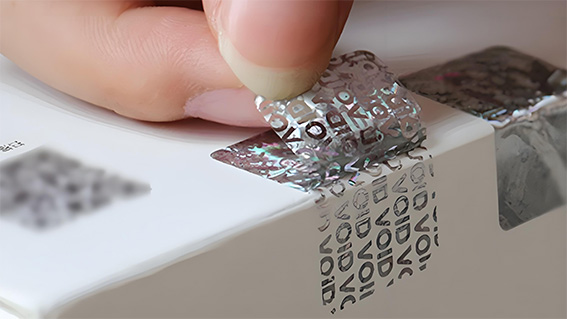
VOID anti-counterfeiting label rely on a physically destructive structure that leaves marks upon peeling, delivering tamper-proof protection at low cost.
Analysis of the VOID anti-counterfeiting label